Thursday, 28 August 2014

pH Control

 BICARB in the control of pH


The pH level of our internal fluids affects every cell in our body. Chronic over-acidity corrodes body tissue, and if left unchecked will interrupt all cellular activities and functions. In other words, over-acidity interferes with life itself. It is at the root of cancer.


The pH of our tissues and body fluids is crucial and central because it affects and mirrors the state of our health or our inner cleanliness. The closer the pH is to 7.35-7.45, the higher our level of health and wellbeing.

When the body can no longer effectively neutralize and eliminate the acids, it relocates them within the body’s extra-cellular fluids and connective tissue cells directly compromising cellular integrity.


Cancer thrives in an acidic, anaerobic (oxygen free) environment

Hydrogen ions tie up oxygen. That means that the more acid a liquid is, the less available the oxygen in it. Every cell in our body requires oxygen for life and to maintain optimum health. Combine that with what we know about hydrogen ions and we see that the more acid the blood (the lower its pH), the less oxygen is available for use by the cells. This can be likened to acid rain which “kills” a lake. The fish literally suffocate to death because the acid in the lake “binds up” all of the available oxygen. It’s not that the oxygen has gone anywhere; it’s just no longer available. Conversely, if you raise the pH of the lake (make it more alkaline), oxygen is now available and the lake comes back to life. Incidentally, it’s worth noting that cancer is related to an acid environment (lack of oxygen)—the higher the pH (the more oxygen present in the cells of the body), the harder it is for cancer to thrive. The most famous mountain waters in the world, waters renowned for their healing properties, like the waters coming down from the Himalayas are highly alkaline.


The typical Western diet, high in meat, grains, sodas, and sugars acidifies the body,  


Dr. Robert J. Gillies and his colleagues have already demonstrated that pre-treatment of mice with baking soda results in the alkalinization of the area around tumors. The same researchers reported that bicarbonate increases tumor pH and also inhibits spontaneous metastases in mice with breast cancer.[1] It also reduces the rate of lymph node involvement.

When taken orally with water, especially water with high magnesium content, and when used transdermally in baths, sodium bicarbonate becomes a first-line medicinal for the treatment of cancer, kidney disease, diabetes, influenza and even the common cold. It is also a powerful buffer against radiation exposure, so everyone should be up to speed on its use.


I take ¼ tsp of Epsom Salts (magnesium) + ¼ tsp of Bicarb + 2 Tbsp Raw unfiltered apple cider vinegar (potassium) in a glass of filtered water daily. You can also add Epsom Salts + Bicarb to your bath water. It can also be used with your toothpaste for whitening teeth. Bicarbonate of soda also has 101 uses around the house.


Monday, 11 August 2014

MSG


One more good reason to avoid processed dairy: it shockingly contains hidden MSG


The risks of flavour enhancing food additive MSG (monosodium glutamate) are well known. MSG should be avoided, considering the fact that it is a dangerous excitotoxin that kills brain cells in the hypothalamus, promotes obesity and liver disease, and is linked to seizures, migraines, ADD/ADHD and heart palpitations. Unfortunately, MSG is hidden in many foods and products, which makes it difficult to avoid even for informed buyers. MSG is difficult to locate on ingredient labels because it goes by names other than "monosodium glutamate." Worse still, it is shockingly hidden in foods you would never expect, such as dairy products.

Hidden MSG in dairy products
Unfortunately, the pasteurization process used in conventional dairy products actually creates free glutamic acid (MSG). The heat of pasteurization breaks down milk protein which results in the creation of free glutamic acid. This creation of MSG can occur from anything that breaks down protein in a food or product. This effect in exacerbated in "ultra-pasteurized" products due to even higher temperatures. And as you might expect, you'll see no mention of MSG or free glutamic acid on the ingredient label. Any of the these dairy products may contain MSG: fat-free milk, powdered milk, "ultra-pasteurized" anything, cottage cheese, reduced fat milk, cream or half and half, ice cream, cream cheese and yogurt. In other words, almost all conventional dairy products are suspect. And if you think you're safe as long as you buy organic dairy, think again; even organic may contain MSG.

Foods and consumer products that potentially contain hidden MSG

In addition to being hidden in conventional pasteurized dairy, MSG is unfortunately and shockingly hidden in tons of products one would never expect. Some products and food containing hidden MSG are:

processed foods
dietary supplements
cosmetics
personal care products
pharmaceuticals
pet and animal food and feed
conventional produce wax
pesticides and herbicides
fertilizers and plant growth enhancers
soaps, shampoo, hair conditioners
cosmetics
protein powders, shakes, drinks and bars
restaurant food (even when claimed to be MSG-free)
beverages
candy
chewing gum
infant formulas, foods
kosher food

MSG by any other name
MSG is found in may food ingredient additives. You can scan you favorite foods for these to find out if you're unwittingly and unknowingly eating MSG. These are hidden sources of MSG which lurk in dozens of food products:

autolyzed yeast extract
hydrolyzed corn gluten
hydrolyzed pea protein
textured protein
autolyzed plant protein
yeast extract
calcium caseinate
sodium caseinate
protein fortified anything
enzyme modified anything
gelatin
disodium inosinate
disodium guanylate
xanthum gum
natural flavor
barley malt
malt extract
maltodextrin
carrageenan
soy protein isolate
soy protein concentrate
whey protein isolate
whey protein concentrate
protease enzymes
citric acid.

As you can see, MSG shockingly hides almost everywhere and in everything. However, it is better to be informed about this dangerous neurotoxin than not be so that you can reduce your exposure and intake of it.


 Courtesy: Natural News

Saturday, 10 May 2014

The Importance of Magnesium

 MAGNESIUM is Involved in over 300 Bodily Functions

Unchecked, unbalanced stress can cause worry, anxiety, panic attacks, irritability and depression.


When the body experiences stress, there is a cellular imbalance of more calcium and less magnesium. Stress itself depletes magnesium and few people get enough magnesium in their diets. 


Who Needs Magnesium

To help you decide how much magnesium to take to meet your individual needs I created the following list of factors that indicate magnesium deficiency. 

Consult the list and see if you are experiencing any of these symptoms. Then, take magnesium and see if your symptoms improve. You’ll be doing a scientific study with yourself as the only subject. Once your symptoms improve, stop taking magnesium and see if your symptoms come back. If they do, then you have your proof.

1. Alcohol intake—more than seven drinks per week

2. Anger

3. Angina

4. Anxiety

5. Apathy

6. Arrhythmia of the heart

7. Asthma

8. Blood tests showing the following:

  • a. Low calcium
  • b. Low potassium
  • c. Low magnesium
  • 9. Bowel problems
  • a. Undigested fat in stool
  • b. Constipation
  • c. Diarrhoea
  • d. Alternating constipation and diarrhoea
  • e. IBS
  • f. Crohn’s
  • g. Colitis
10. Brain trauma

11. Bronchitis, chronic

12. Caffeine—more than three servings of coffee, tea,or chocolate per day

13. Chronic fatigue syndrome

14. Cold extremities

15. Concentration difficulties

16. Confusion

17. Convulsions

18. Depression

19. Diabetes

  • a. Type I
  • b. Type II
  • c. Gestational diabetes
20. Fibromyalgia

21. Food intake imbalances

  • a. Limited in green leafy vegetables, seeds, and fresh fruit
  • b. High protein
22. Food cravings
  • a. Carbohydrates
  • b. Chocolate
  • c. Salt
  • d. Junk food
23. Gagging or choking on food

24. Headaches

25. Heart disease

26. Heart—rapid rate

27. High blood pressure

28. Homocystinuria - 
Homocystinuria is an inherited disorder that affects       the metabolism of the amino acid methionine.

29. Hyperactivity

30. Hyperventilation

31. Infertility

32. Insomnia

33. Irritability

34. Kidney stones

35. Medications

  • a. Digitalis
  • b. Diuretics
  • c. Antibiotics
  • d. Steroids
  • e. Oral contraceptives
  • f. Indomethacin
  • g. Cisplatin
  • h. Amphotericin B
  • i. Cholestyramine
  • j. Synthetic estrogens
36. Memory impairment

37. Mercury amalgams

38. Menstrual pain and cramps

39. Migraines

40. Mineral supplements

  • a. Taking calcium without magnesium
  • b. Taking zinc without magnesium
  • c. Taking iron without magnesium
41. Mitral valve prolapse

42. Muscle cramps or spasms

43. Muscle twitching or tics

44. Muscle weakness

45. Numbness of hands or feet

46. Osteoporosis

47. Paranoia

48. Parathyroid hyperactivity

49. PMS

50. Polycystic ovarian disease

51. Pregnancy

  • a. Currently pregnant
  • b. Pregnant within one year
  • c. History of preeclampsia or eclampsia
  • d. Postpartum depression
  • e. Have a child with cerebral palsy
52. Radiation therapy, recent

53. Raynaud’s syndrome - 
Raynaud’s syndrome is is a condition in which cold temperatures or strong emotions cause blood vessel spasms that block blood flow to the fingers, toes, ears, and nose.

54. Restlessness

55. Sexual energy diminished

56. Shortness of breath

57. Smoking

58. Startled easily by noise

59. Stressful life or circumstances

60. Stroke

61. Sugar, high intake daily

62. Syndrome X

63. Thyroid hyperactivity

64. Tingling of hands or feet

65. Transplants

  • a. Kidney
  • b. Liver
66. Tremor of the hands

67. Water that contains the following

  • a. Fluoride
  • b. Chlorine
  • c. Calcium
68. Wheezing

How Much and When


When it comes to magnesium, there isn’t a specific dose for a given health condition. How much magnesium to take has to be determined by your symptoms and your reaction to magnesium.


The RDA for magnesium is about 400 mg of elemental magnesium. However,

many people need much more than that. I’m one of them. If I don’t
take enough magnesium, I get heart palpitations, leg cramps, and twitchy
muscles. If you take a daily dose all at one time in pill form, the
magnesium can overwhelm the intestines and cause a laxative effect.


One of the easiest and most efficient ways of absorbing magnesium is by taking a bath and adding Epsom Salt. Your skin absorbs a quarter of a litre of water during a 15 minute bath.


Try to take magnesium in powder form. Epsom salt dissolves immediately in water, so you know your body doesn’t have to wait for a capsule or tablet to break down. You can also put from a quarter to one whole teaspoon of Epsom salt in a glass of water or right into your water bottle and sip over several hours. That way the magnesium is absorbed slowly and effectively into your body instead of running through your intestines.

Some people get so excited about taking magnesium, that they forget to slowly build up their dose. And we all think that “more is better.”
Taking too much magnesium initially might create a laxative effect you
weren’t expecting, giving you the mistaken impression that you are having
a bad reaction to magnesium. To prevent this, it’s important to start with a lower dose of a quarter teaspoon (2 grams) and build up to 1 teaspoon (4 grams) once or twice a day until your bowel movements are comfortably loose.

The need for magnesium will vary from person to person. Don’t be surprised
if you need a certain amount of the mineral while your partner needs
twice as much. Also, there is a greater requirement for magnesium during
periods of stress, heavy athletic activity, or physical work. 


Food Sources of Magnesium  

The best sources of magnesium include seaweeds, dark green leafy vegetables, raw chocolate (cacao) and fermented vegetables. Raw nuts and seeds are listed as good sources; however, the body is unable to effectively absorb magnesium due to the anti-nutrient phytic acids. When you soak and sprout your nuts and seeds, you remove the phytic acids and make minerals such as magnesium and zinc more bioavailable.


Another outstanding source of magnesium is in raw dairy from grass-fed cows. When the dairy is fermented and made into kefir, amasai or cheese, the magnesium becomes the most bio-available.


Thursday, 1 May 2014

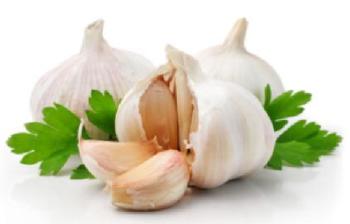
The Amazing Benefits of Garlic

Hippocrates prescribed garlic for a myriad of conditions – including parasites, poor digestion, respiratory problems, and fatigue. i
Interestingly, many cultures that had no contact with each other all came to much the same conclusions about the value of garlic.
Now modern science is attempting to validate these time-honoured beliefs.


Slashes lung cancer risk by 44 percent
Eating raw garlic twice a week slashed lung cancer risk by 44 percent in non-smokers, and by 30 percent even in smokers. ii
This population study examined 1,424 lung cancer patients and 4,543 healthy people to learn about their diet, lifestyle, smoking habits… and garlic consumption.
The study's authors saw a protective link between raw garlic consumption and lung cancer in a dose-responsive pattern. And the study suggests it may give you some protection from lung cancer even if you smoke.
This is just one of a number of studies in recent decades showing that garlic may cut the risk of lung cancer – and other cancers.
A 55 to 80 percent reduction
in almost ALL major cancers
Researchers at the University of North Carolina, Chapel Hill, reviewed hundreds of studies about garlic. They found that eating one to two cloves of garlic a day helps prevent cancer.
Garlic eaters may cut their risk of stomach cancer in half, and their risk of colon cancer by one-third.
A large ten-country European study found a striking risk reduction in oral, esophageal, laryngeal, colorectal, breast, ovarian, and prostate cancers for garlic eaters. iii And not just a small reduction – an amazing 55 to 80 percent reduction!
Chinese studies have linked eating large amounts of garlic (and its cousin’s onions and shallots) to lowered rates of oesophageal, stomach, and prostate cancers. iv, v, vi
Pancreatic cancer risk dropped by a staggering 54 percent in those who ate large amounts of garlic compared to those who ate less, according to a 2005 San Francisco study.vii As this is one of the deadliest cancers, the study provides a powerful reason to make sure you eat some garlic on a regular basis.
The Iowa Women's Study also found a strong link between high garlic consumption and a 50 percent reduction in colon cancer risk. viii

Heart benefits and more. . .
 It is a natural blood thinner known for preventing plaque build-up linked to heart disease, stroke, and blood clots. It can lower blood pressure five to eight percent, and it may lead to better outcomes after a heart attack.
Studies show garlic may even help prevent colds.
 In test tubes, garlic killed roundworms, the most common intestinal parasite. Researchers don't yet know if it kills parasites in people.
Gobbles up microbes that cause cancer
Allicin, a major constituent of garlic, is strongly anti-pathogenic – meaning it gobbles up bacteria, viruses, yeasts, and intestinal parasites.
Helicobacter pylori (H. pylori), also called Campylobacter, is a stealth bacteria found in the stomach lining of about two-thirds of the world population. It's heavily linked to stomach cancer and ulcers.
Allicin may help stomp out H. pylori, which may be why the stats quoted earlier in this article show garlic is so beneficial for those at high risk of stomach cancer.
Garlic enhances your immune system. It can bind to breast cell receptor sites, thereby denying those sites to cancer agents. It boosts DNA repair, reduces cell proliferation, and induces natural cell death (cancer cells, as you know, tend to be immune to natural cell death. Garlic may help set them right).
Garlic and other members of the Allium family (like its cousin’s onion, shallots, and chives) contain flavonoids and phenols – natural plant chemicals that may keep damaged cells from advancing to cancer.
Garlic is a potent antioxidant and anti-inflammatory that boasts high amounts of vitamin C.
How to stake your claim
to garlic's anti-cancer benefits
The secret of claiming garlic's anti-cancer benefits is this: Eat it raw – and crush it before eating!
Use fresh, chopped, or squeezed garlic to get maximum therapeutic benefit. Cooking reduces its enzymatic action (as with most foods). And according to our sources, many garlic supplements are of little use.
Garlic contains both alliin and an enzyme called allinase. When crushed, they mix to create allicin, believed to be the substance behind garlic's health benefits.
If you cook garlic, chop it and wait 10 minutes before cooking – allowing the enzymes to work and (presumably) maintain most of its benefits.
9 ways to eat raw garlic every day
A clove of garlic a day may be just as good as the proverbial apple a day.
But many people have trouble eating garlic straight up. It has the potential to cause GI distress, especially if taken raw on an empty stomach.
o    Homemade Salsa. Make it from fresh or canned tomatoes with tons of raw garlic and onions, drizzled with olive oil. Drench eggs, fish, chicken breasts, or even salads with it. Yum!
o    Salad Dressing.  Make homemade vinaigrette in less than five minutes. Use 2/3 cup of cold-pressed olive oil, 1/3 cup of balsamic vinegar, herbs of your choosing (oregano, basil, etc.), and a few cloves of chopped garlic. VoilĂ ! Healthier, better, and less expensive than any store-bought dressing money can buy. My favorite recipe uses red wine vinegar instead of balsamic, and spicy mustard for flavour. Add salt and pepper to taste.
o    Lacto-fermented. Cut down raw garlic's spicy bite by fermenting it in salt brine. Cold processing keeps the beneficial enzymes and bacteria alive and kicking.
o    Stir into your cooked veggies, just before serving. Add minced garlic for extra flavour and nutrition, without cooking it in.
o    Add to mashed potatoes. Garlic + butter + potatoes = delicious. First make your mashed potatoes, then mix butter in. When it's slightly cooled, plop some minced garlic on top. Takes away the blandness of potatoes in a hurry.
o    Guacamole. Garlic loses its bite when you mix it with the healthy fat of avocado.
o    Bruschetta. Crush a clove of garlic with the blade of a knife and spread it on crusty toasted bread, pile on raw chopped tomatoes, and drizzle with olive oil and salt. (Eat in moderation, because bread metabolizes as sugar.)
o    Classic pesto. Combine pine nuts, basil, garlic, olive oil, lemon and Parmesan cheese for a tasty treat that can be added to eggs and bean salads, or spread over meats or chicken breasts.
o    Hummus. Homemade outclasses store-bought any old time… You do need a food processor or Vita-Mix for smoothness. Make with chickpeas, raw garlic, lemon, and a couple of other ingredients. This is a great vegetable dip.
Certain people should not eat too much garlic!


DON'T use garlic liberally if you're on a blood thinner, about to have surgery, or about to have a baby. This subject comes up again and again because so many foods and supplements act as blood thinners. I say work with your doctor to thin your blood with the foods and supplements, and get the medications out of your life.
Garlic can interact with certain other medications. Check with your doctor if you're on medications for TB, HIV/AIDS, or are taking birth control pills, or cyclosporine. Be aware that Advil, Motrin, Aleve, or other non-steroidal anti-inflammatory drugs are blood thinners so the advice above is relevant.

Garlic can cause stomach upset, so start slowly and eat it with other foods. 

Tuesday, 8 April 2014

ADHD Fact or Fiction?

I was pleasantly surprised to come across the below. I have always maintained that something was wrong with the diagnosis and treatment of ADHD. There was no such thing in our day at school. You just had to get over it and on with it, regardless. One needs to address the school child's diet. Cut out the sugary foods, msg and colourants then perhaps we wouldn't find this behaviour so prevalent anymore.

“ADHD is a prime example of a fictitious disease.”

These were the words of Leon Eisenberg, the “scientific father of ADHD (Attention Deficit Hyperactivity Disorder),” in his last interview he gave before his death at age 87 in 2009. (While some have described Dr. Eisenberg’s statement as an “exaggeration,” many doctors are coming to the belated conclusion that ADHD is often “over diagnosed” by the use of “fuzzy diagnostic practices.”

Harvard psychologist Jerome Kagan, who is one of the world’s leading experts in child development, states: “Let’s go back 50 years. We have a 7-year-old child who is bored in school and disrupts classes. Back then, he was called lazy. Today, he is said to suffer from ADHD (Attention Deficit Hyperactivity Disorder). . . . Every child who’s not doing well in school is sent to see a pediatrician, and the pediatrician says: “It’s ADHD; here’s Ritalin.” In fact, 90 percent of these 5.4 million kids don’t have an abnormal dopamine metabolism. The problem is, if a drug is available to doctors, they’ll make the corresponding diagnosis.)

Eisenberg made a luxurious living off of his “fictitious disease,” thanks to pharmaceutical sales. Coincidentally, he received the “Ruane Prize for Child and Adolescent Psychiatry Research. He has been a leader in child psychiatry for more than 40 years through his work in pharmacological trials, research, teaching, and social policy and for his theories of autism and social medicine,” according to Psychiatric News. Yes, it was even admitted that they are his THEORIES.

The medical industry is using the guise of helping children to depersonalize and disconnect our children from a healthy, normal upbringing. Parents are placing their children on these drugs and subjecting them to what the world has to offer, when in fact all these children are looking for is their parents in hopes of being the blessing that God intended them to be.

In the United States, 1 out of 10 boys among 10-year-olds takes medication for ADHD on a daily basis . . . with increasing tendency.

American psychologist Lisa Cosgrove and others reveal the facts in their study “Financial Ties between DSM-IV Panel Members and the Pharmaceutical Industry.” They found that “of the 170 DSM panel members 95 (56 percent) had one or more financial associations with companies in the pharmaceutical industry.
One hundred percent of the members of the panels on ‘Mood Disorders’ and ‘Schizophrenia and Other Psychotic Disorders’ had financial ties to drug companies.” And they are reaping major benefits from this “fictitious disease.” For example, the assistant director of the Pediatric Psychopharmacology Unit at Massachusetts General Hospital and associate professor of Psychiatry at Harvard Medical School received “$1 million in earnings from drug companies between 2000 and 2007.”

Marc-AndrĂ© Gagnon and Joel Lexchin, a long-time researcher of pharmaceutical promotion, performed a study which shows that the U.S. pharmaceutical industry spent 24.4 percent of the sales dollar on promotion, versus 13.4 percent for research and development in 2004. That is almost twice as much money to push their drugs on people than the amount to research to make sure it they’re safe!

This raises the following question: Are they safe?

Read the antidepressant black-box warning for yourselves, and you will be alarmed by the side effects listed on the inserts: –

Confusion –

Depersonalization –

Hostility –

Hallucinations –

Manic reactions –

Suicidal ideation –

Loss of consciousness –

Delusions –

Feeling drunk –

Alcohol abuse –

Homicidal ideation

Why would parents subject their children to drugs with such noted dangerous side effects?

Dr. Edward C. Hamlyn, a founding member of the Royal College of General Practitioners, in 1998 stated, “ADHD is fraud intended to justify starting children on a life of drug addiction.”

Source: politicaloutcast.com Read more at http://isupportorganic.blogspot.com/2013/12/the-man-who-discovered-adhd-makes.html#zzS7ZlzmoZZIHK8a.99

Friday, 7 February 2014

BE INFORMED FOR THE BENEFIT OF YOU AND YOUR FAMILY.

You, are after all, in charge of their health.


I came across this article and felt the need to share it with you. I cannot stress enough how strongly I feel about this subject. I really believe that this is where it all begins and maintain that this is one of the main reasons that the prevalence of  ADHD and Alzheimers, depression etc. is so high, and ever increasing,  especially relating to MSG, preservatives and dioxins. 


ALL DISEASES BEGIN IN THE GUT!


The Father of modern medicine, Hippocrates, made this statement more than two thousand years ago. The more we learn with our modern scientific tools, the more we realize just how correct Hippocrates was: all diseases do begin in the gut!

Science has discovered, that about 90% of all cells and all genetic material of the human body belongs to the gut flora – a mixture of various microbes, which live inside our digestive tract. So, in reality your body is just a shell, a 10%, providing a habitat for this mass of micro-creatures living inside you; and their role in your health and physiology is monumental. Our modern world poses many dangers for human gut flora, and once it is damaged, the health of the whole body enters a downward slide towards disease. From autoimmune diseases to mental health your gut flora plays a role.

The proliferation of systemic disorders over the last 20 years has led researches to delve deeper into the ‘source’ of the problem. You probably don’t know how much of an impact your gut makes on your brain health. Not many people do. Not many people would associate the state of their gut with brain health issues.

Your gut IS a perfect place to look when dealing with mental health conditions, as doing so may prove to be effective in improving your mood, your brain’s overall health, and preventing brain-related illnesses such as Parkinson’s.


Your Gut is Your ‘Second Brain’


Have you ever had butterflies in your stomach when you were anxious or nervous? Have you had an upset stomach stressed or angry? This shows that there is a connection between your brain and your gut.

During your development in the womb, two nervous systems are formed from one tissue

•Central nervous system, which is made out of your brain and spinal cord
•Enteric nervous system, which is found in your intestinal tract

These two nervous systems are connected by the vagus nerve, or the 10th cranial nerve that runs from your brain to your abdomen. This nerve helps transmit information to your brain. Although many people see the brain as the master organ, your gut transmits more to your brain than the other way around. Furthermore, any problem in your gut can impact your brain health, raising your risk of anxiety, depression, autism, and related problems.

According to studies, your intestines contain neurons just like your brain does. This includes neurons that produce neurotransmitters like serotonin – known to help control mood, depression, and aggression.


How Your Brain and Gut Are Connected


There is a strong link between an abnormal gut flora and abnormal mental development. Due to imbalanced gut flora, a number of symptoms related to brain disorders may manifest, including symptoms of autism, attention deficit hyperactivity disorder (ADHD), attention deficit disorder (ADD), dyslexia, and obsessive-compulsive disorder, just to name a few.

She adds that autistic children do not have this problem when they are born. They start with normal brains and sensory organs. Upon the exposure of the digestive system to toxic elements, these children can develop autistic symptoms.

Research by the American Society for Microbiology also revealed the discovery of a bacterium called Sutterella that is found in the intestines of children with autism. The researchers state that autistic children may have gastrointestinal problems that may contribute to behavioural issues.

Moreover, they reported: “These findings elevate this little-recognized bacterium to the forefront by demonstrating that Sutterella is a major component of the microbiota in over half of children with autism and gastrointestinal dysfunction (AUT-GI) and is absent in children with only gastrointestinal dysfunction (Control-GI) evaluated in this study."

It is through gene profiling that these researchers were able to find that an imbalance in gut bacteria caused problems in genes and pathways that are involved in memory, learning, and motor control. This finding suggests gut bacteria’s close association with brain development and behaviour.


Threats to Your Gut’s Wellbeing


There are a number of reasons why your gut’s healthy bacteria are severely compromised:

•Consuming of processed and sweetened foods – sugar of all forms feed bad bacteria and yeast

•Taking antibiotics

•Drinking chlorinated and fluoridated water

•Using antibacterial soaps

•Exposure to agricultural chemicals and pollution

While this information is crucial for everyone’s wellness, pregnant women should be extra careful, because a newborn relies on his mother’s supply of good bacteria for his initial gut flora.

Nevertheless, women of reproductive age are deficient in many essential probiotic strains. Dr. Campbell explains that a woman’s birth canal is highly populated with vaginal flora, which comes from the bowel. Whatever resides here becomes the baby’s gut flora. If the mother has abnormal gut flora, her vaginal flora will also be of the same nature.


How to Reseed Your Healthy Bacteria


Now that you have an idea of how your gut is your “second brain,” it is important to look out for its health, especially for the microorganisms that reside inside it.
 The solution is simple: “reseed” the good bacteria in your body.


How To optimize your system:


1. Eat more fermented foods - Consuming traditionally-made, unpasteurized fermented foods are one of the most important routes to optimal digestive health. Examples of these are kimchee, natto, sauerkraut, tempeh, kefir, and many others. Pasteurized foods can compromise your gut flora as pasteurization kills the probiotics in the food.

2. Take a probiotic supplement - An alternative to eating probiotic-rich foods is taking a high-quality probiotic supplement. This is an option for those who do not eat fermented foods.

3. Breastfeed your baby - Breast milk is far superior to formula. Research says that while breast milk contains vitamins, minerals, proteins, and healthy fat, it also contains other substances that can help enhance your baby’s gut and brain development. This advantage can contribute to your child even as he or she becomes an adult.

According to FoodMatters.tv in their article “3 Foods That Could Change Your Life!” you can reseed your gut by consuming the following:

1. Kefir

Homemade kefir has 50 plus good bacteria and yeasts. It is so powerful that I recommend people consume only small amounts when they first start kefir, so as not to overwhelm their body with good bacteria. These bacteria are strong and will go to work killing pathogens and bad bacteria, making some individuals uncomfortable. Kefir and its special bacteria microbes will make you its home and keep things in balance for you. It will add probiotics to any kind of milk, whether it be cow, goat, coconut, or almond milk. It will transform the milk, increasing vitamins and nutrient absorption, and it will do this sitting on your counter in a glass jar while you go about your day. Then when you consume it, you will find it will digest your food, reduce inflammation, make elimination a breeze, and, well, the list is so long it would take this entire page to explain it all.

2. Kombucha

Talk about powerful! It is a wonder drink and there is nothing else like it on the market. It helps remove toxins through the kidney, liver, and bowels. You might notice that kombucha can help you lose a lot of excess water weight. It helps you eliminate the excess swelling and fluid that accumulates in your tissues from chemically laden foods and alcohol.
Kombucha is a liver cleanser and it will assist your liver in removing toxins that have accumulated. Kombucha will also help relieve the water retention that often happens when the body protects the organs by holding on to water when under stress or a heavy toxic load.

3. Cultured Vegetables

Everybody knows that vegetables are so, so good for you – but when you ferment vegetables, they become more powerful than they were previously. Fermented foods are the most potent source of beneficial bacteria, and these probiotics are some of the best chelators available, capable of drawing out a wide range of toxins and heavy metals. According to Dr. McBride, the GAPS Nutritional Protocol restores your own detoxification system in about 90 percent of people, and the fermented/cultured foods are instrumental in this self-healing process. Making your own fermented vegetables is inexpensive and less complicated than you might think.

If you are suffering from a systemic disorder you may want to try a diet formulated to heal your gut.

Courtesy: Centre for Advanced Medicine and Clinical Research.

Thursday, 24 October 2013

The Dangers in Revlon cosmetics

I found this to be very enlightening. So often you hear about toxic chemicals but can never remember all the names to look out for when checking labels. Also, I am sure that these chemicals will not only by found in Revlon products, but a whole host of other brands too.  I have noticed that many cosmetics don't give an ingredients list, especially on items such as lipstick.

“Dare to be Revlon.” That’s Revlon’s motto.              

But with all the chemicals linked to cancer and other serious health concerns in Revlon products, no woman should take that dare. To make things worse, Revlon—one of the biggest cosmetics manufacturers in the world—is running ads promoting its support of breast cancer awareness. Do you smell the scent of irony? Do you see the glimmering shades of hypocrisy?


Here’s what we found when we did a survey of Revlon’s products on store shelves:

  • Butylated compounds (BHA, BHT)  Found in hair dyes and lip gloss; linked to cancer
  • Quaternium-15 and other formaldehyde-releasing chemicals  Found in mascaras, pressed powders and eyeliner; linked to cancer
  • Parabens  Found in eyeliners and hair dyes; an endocrine disruptor linked to cancer
  • Octinoxate  Found in foundation makeup; an endocrine disruptor linked to thyroid disorders
  • Resorcinol  Found in hair dye; an endocrine disruptor and allergen
  • p-Phenylenediamine  Found in hair dye; a respiratory toxicant
  • Carbon black Found in eyeliners; linked to cancer

While Revlon continues to use toxic chemicals, industry leaders are moving toward safer cosmetics. Thanks to our collective efforts, in just the past two years, Johnson & Johnson and Procter & Gamble agreed to reformulate their personal care products to remove certain toxic chemicals. And Walmart and Target are taking steps to help keep dangerous chemicals off their shelves. Now it’s time for Revlon to move.

Received from The Breast Cancer Fund.